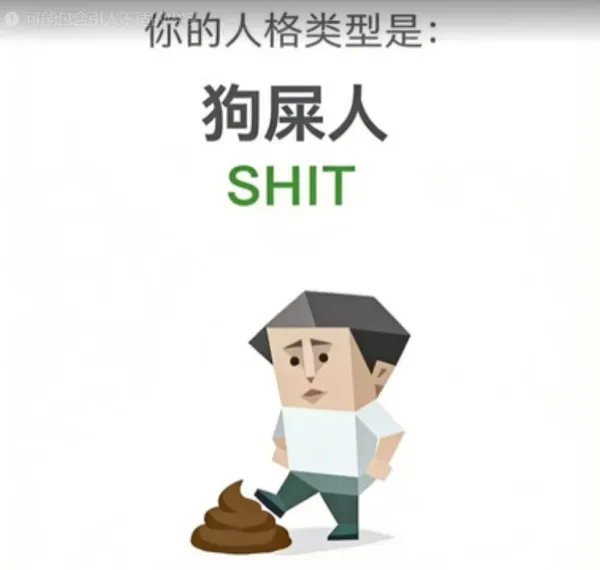
SHIT × INTJ — Clinical Hater
Not an emotional outburst. A diagnostic report.
Your anger is structured.
You don’t just say something sucks — you can tell people precisely where the failure lives.
What makes it brutal is how calm you sound doing it.
Doomer · meets 16 MBTI styles
The world is one giant pile of nonsense.
The default SHIT setting: the world is a mess and you’re just the first one willing to say it out loud.
MBTI decides how you rant, whether you act after ranting, and how much caring is hiding underneath the contempt.
This page should feel more like a screenshot-worthy personality read than a compatibility encyclopedia.
Scan the grid, click the one that feels suspiciously like you, then keep scrolling for the fuller read. MVP keeps everything on one page on purpose.
Not an emotional outburst. A diagnostic report.
Jump to readI’m not ranting. I’m deconstructing the defect architecture.
Jump to readIf it’s terrible, I will simply have to do it myself.
Jump to readThe critique is sharp, technically correct, and somehow hilarious.
Jump to readThe harder you drag it, the more you once believed it could be better.
Jump to readYou had to say it. You also now need three business days to process whether you said it too hard.
Jump to readYou’ll drag the system and still make sure nobody feels personally shredded in the blast radius.
Jump to readThe rant was step one. The action plan arrived before anyone recovered.
Jump to readYes, the whole thing is absurd. No, that does not excuse sloppy work.
Jump to readYou can be merciless to the world and instantly gentle with someone you care about.
Jump to readYou don’t just say what’s broken. You explain exactly how to fix it.
Jump to readYou tell the truth and still somehow keep the room intact.
Jump to readComplaint, repair, exit.
Jump to readMost of it is terrible. Some of it is still worth feeling.
Jump to readYou can roast the problem while actively solving it.
Jump to readYou tell the truth and then somehow volunteer to emotionally buffer everyone afterward.
Jump to readNot an emotional outburst. A diagnostic report.
Your anger is structured.
You don’t just say something sucks — you can tell people precisely where the failure lives.
What makes it brutal is how calm you sound doing it.
I’m not ranting. I’m deconstructing the defect architecture.
You can take “this is garbage” and turn it into a whole explanatory model.
People think you’re whining.
Actually, you’re producing unpaid theory.
If it’s terrible, I will simply have to do it myself.
You don’t stop at criticism.
If something offends your standards badly enough, you start drafting the replacement system.
That combination of contempt and competence is hard to argue with.
The critique is sharp, technically correct, and somehow hilarious.
You turn criticism into entertainment without watering it down.
People laugh and then, three seconds later, realize you were actually right and now everyone feels exposed.
The harder you drag it, the more you once believed it could be better.
Your cynicism is often grief in armor.
You’re furious because you can see the gap between what something is and what it could have been.
That kind of anger comes from investment, not apathy.
You had to say it. You also now need three business days to process whether you said it too hard.
You do have critical fire.
Then the empathy arrives afterward and checks the damage.
You stand by the truth, but your heart still wonders if there was a gentler version.
You’ll drag the system and still make sure nobody feels personally shredded in the blast radius.
You know how to direct force accurately.
The problem gets no mercy.
The people near it still get some.
That balance is exhausting and extremely valuable.
The rant was step one. The action plan arrived before anyone recovered.
You don’t stay mad for the sake of staying mad.
Your outrage quickly mutates into movement.
People are still arguing about the criticism and you’re already prototyping a fix.
Yes, the whole thing is absurd. No, that does not excuse sloppy work.
You can see the futility and still respect the responsibility.
That creates a very specific energy: deeply unconvinced, yet annoyingly dependable.
You can be merciless to the world and instantly gentle with someone you care about.
You contain two completely different standards.
External stupidity gets scorched.
Loved ones get protection, softness, and often practical help before they can even ask.
You don’t just say what’s broken. You explain exactly how to fix it.
Your criticism is useful.
Painful, yes — but useful.
You are the person every system needs and every fragile ego fears.
You tell the truth and still somehow keep the room intact.
You won’t avoid honesty.
You just work hard to make it survivable.
That means you end up carrying the burden of both truth and emotional aftermath.
Complaint, repair, exit.
Your cynicism doesn’t stay verbal for long.
You identify the bad part, deal with it, and move on.
Very clean. Very hard to argue with.
Most of it is terrible. Some of it is still worth feeling.
You can see what’s ugly in the system without becoming blind to what’s still true or beautiful in specific moments.
That selective tenderness is what keeps your cynicism from becoming total collapse.
You can roast the problem while actively solving it.
Your response cycle is extremely short:
notice, curse, intervene.
People barely finish describing the issue before you’re already in motion.
You tell the truth and then somehow volunteer to emotionally buffer everyone afterward.
You don’t want to lie.
You also hate letting the room die.
So after dropping an uncomfortable truth, you often end up helping everyone metabolize it.